jobs abroad
 Remote jobs
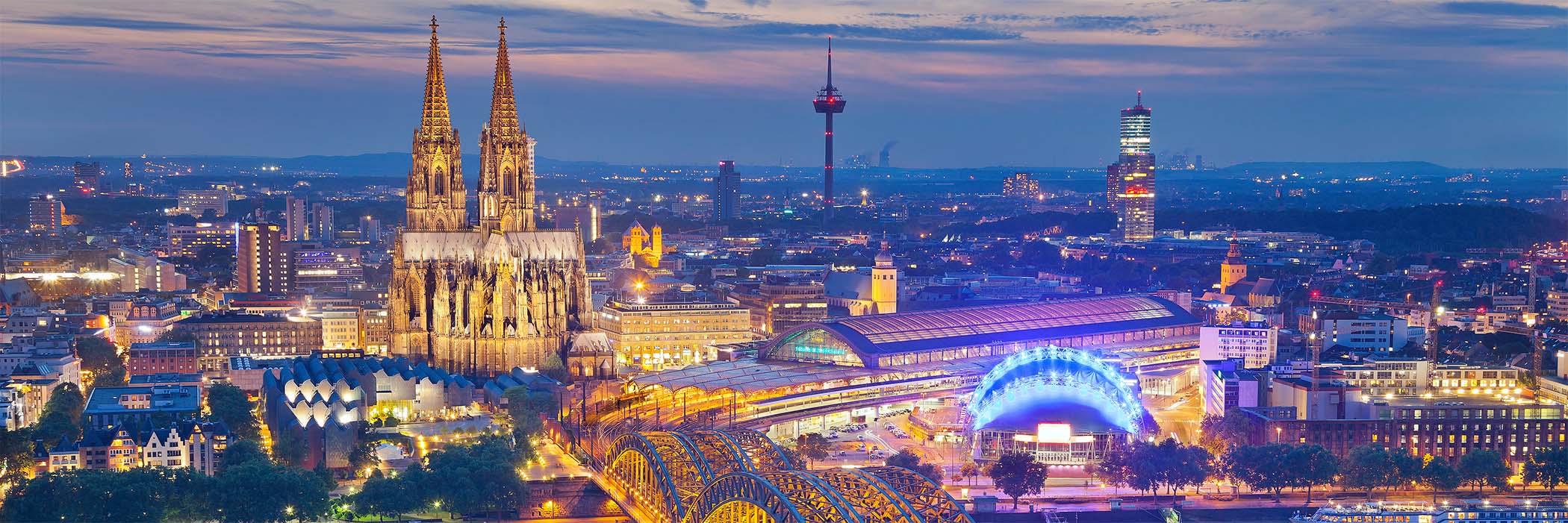
Germany is one of Europe's most popular destinations for international workers, and it is increasingly on the radar of people already working in the Gulf. A stable economy, a large number of vacancies and a well-developed social system attract professionals from all over the world. But life there works very differently from life in Dubai or Abu Dhabi. Before you hand in your notice, it is worth understanding how the job market works, what paperwork you will face and how far your salary will actually go.
What the German job market looks like
Germany still faces labour shortages in many sectors. The most sought-after profiles are in:
- construction,
- logistics and warehousing,
- industrial production,
- care for the elderly,
- healthcare,
- transport,
- IT and engineering.
Some manual jobs, particularly those arranged through agencies, can be done with little or no German. For skilled positions, however, German is usually an important requirement, and it makes everyday life outside work far easier. Unlike in the UAE, English will not carry you everywhere.
Visas and permits: the first big difference
If you hold the passport of an EU country, you can work in Germany without a work permit. Most Gulf-based expats, however, are not EU citizens, and for them the rules are different: you generally need a visa or residence permit that allows employment before you start work.
The main routes for skilled workers include the EU Blue Card for graduates with a qualifying job offer, the skilled-worker residence permit for people with recognised vocational or academic qualifications, and the Opportunity Card, which lets qualified candidates come to Germany to look for work. Many routes require your foreign qualifications to be officially recognised in Germany, so start that process early. The official portal Make it in Germany explains the current options and requirements.
Paperwork after you arrive
Once you are in Germany, you will usually need to:
- register your address with the local authority (Anmeldung),
- receive your tax identification number (Steuer-ID),
- open a bank account and make sure you have health insurance, which is compulsory.
Address registration is the key to almost every other formality, and your tax number is essential for being paid correctly.
Minimum wage and typical pay
Germany has a statutory minimum wage of €13.90 gross per hour (2026). For a full-time contract of about 160 hours a month, that means a minimum gross salary of roughly €2,200 to €2,450.
Examples of gross pay (2026):
- Warehouse worker: €13.90 to €16 per hour,
- Production operative: €14 to €18 per hour,
- Electrician: €2,800 to €3,400 per month,
- Welder: €3,000 to €3,600 per month,
- HGV (C/E) driver: €2,900 to €3,500 per month,
- Elderly-care worker: €2,400 to €3,000 per month,
- IT specialist: from €4,000 per month gross.
Here is the part that surprises many people coming from the Gulf: these are gross figures. Germany has income tax and social security contributions, which are deducted directly from your salary. Your net pay depends on your tax class, family situation and place of residence, so always compare offers on the take-home amount, not the headline number. Packages also tend to be simpler than in the UAE: housing allowances and annual flights are uncommon.
Working hours and holidays
A standard full-time working week is 40 hours. The legal minimum is 20 days' paid holiday a year for a five-day week, although many employers offer 24 to 30 days. On top of that come public holidays, which vary by federal state.
Cost of living
Costs vary considerably by city. Large cities such as Munich, Frankfurt, Hamburg and Berlin are noticeably more expensive than smaller towns.
Housing
- Room in a shared flat: €400 to €700 per month,
- Studio flat: €700 to €1,100 per month,
- Two-room flat: €1,100 to €1,500 per month.
Rents in Germany are usually quoted and paid monthly, rather than in one or a few cheques a year as is common in the UAE, but landlords normally ask for a deposit.
Everyday costs
- Bread: €2 to €3,
- Milk (1 litre): €1.00 to €1.30,
- Chicken breast: €7 to €9 per kg,
- Coffee in a café: €3 to €4,
- Lunch menu in a restaurant: €14 to €20.
Transport
- Monthly public transport pass (Deutschlandticket): it launched at €49 and costs €63 a month in 2026,
- Petrol: around €1.85 per litre, far more than you are used to paying in the Gulf.
Social insurance and contributions
Germany's social security system is tied to employment. Contributions are deducted automatically from your salary and cover:
- health insurance,
- the state pension,
- unemployment insurance,
- long-term care insurance.
In return, you get access to public healthcare and social protection, and you build up a state pension rather than an end-of-service gratuity.
In short
Germany offers job stability, solid employment conditions and a strong social safety net. Coming from the Gulf, you will pay tax, deal with more paperwork and probably need to learn German, while living costs in the big cities can be high. With good planning, though, it is entirely possible to live comfortably and build a long-term career. If you are still weighing your options, our guide on finding opportunities to work abroad is a good next read, and you can browse all jobs abroad on Jober.
Ready to make the move? See the latest jobs in Germany on Jober and find a role that fits your profile.